

Local organisations continue to raise the benchmark for services
Every client counts in the story of local Alzheimers services as we continue to advocate for fair funding.
And in turn, better support for people living with dementia mate wareware and their whānau.
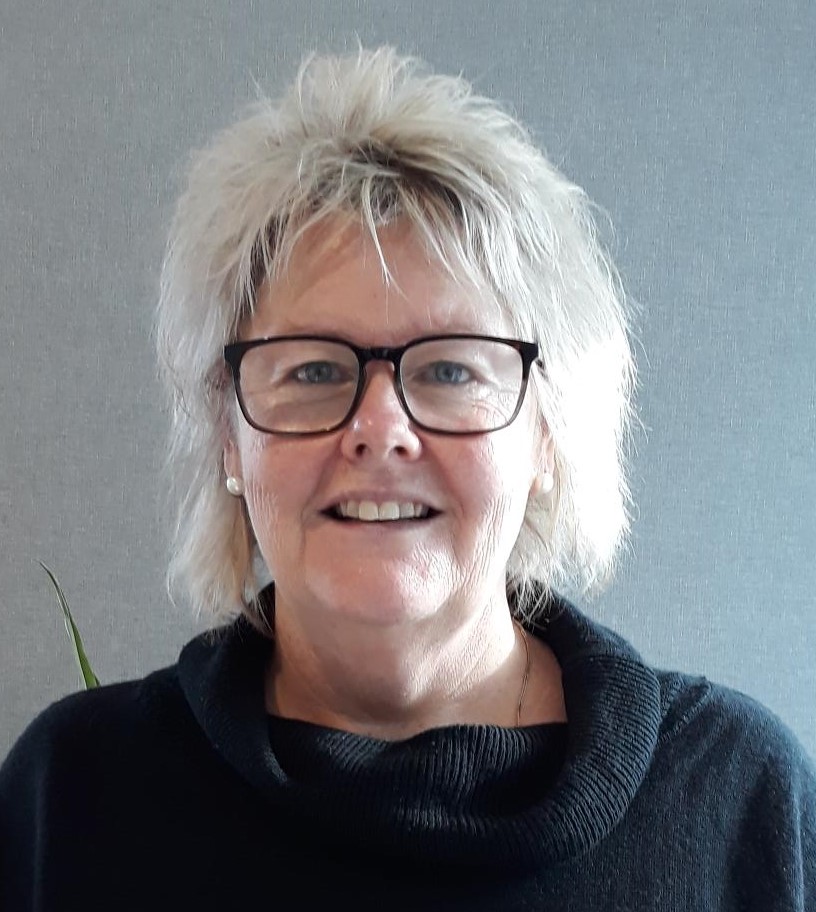
Alzheimers Nelson/Tasman Manager Heather Lackner (pictured left) is celebrating 20 years as part of the Alzheimers family.
“If we didn’t have the data, or if we weren’t all collecting the same data, then we’ve got nothing to compare,” she says.
“It helps make sure people living with dementia and their whānau get consistent support right across New Zealand.
“It also helps us tell our story more clearly when we’re talking about what we do and looking for funding.”
Heather says local services have been working more and more collaboratively with one another and partners over the last decade in particular.
“That’s been a huge positive step,” she says.
The joint services delivery model, developed with Dementia NZ, is the most recent example of local Alzheimers organisations setting the benchmark for services.
The model paints the picture of what good service looks like for Aotearoa New Zealand if organisations had the appropriate funding.
But this isn’t the first time the organisation has defined what good looks like.
The 2017 Services and Standards Model by Alzheimers NZ was revolutionary at the time, both here and overseas.
It set the foundation for the most recent model, which is currently being refreshed to reflect the sector’s latest thinking.
For example, Heather and her team now spend more time supporting clients over the phone rather than face-to-face, as they no longer have the capacity for regular visits.
“Where they once visited clients regularly, they’ve had to adapt to a different way of delivering the service.”
Heather says the service delivery model has aligned services and given local organisations a way forward.
“It’s helped us reassess what our service is and what’s important for us and our clients. And I think it’s helped our organisations work in a similar way.
“If we’re providing a similar service, then we can discuss with other managers about how they’re providing their services which helps align our services throughout the country.”
Heather’s recall of the current joint services delivery model work started with local organisations agreeing on who a client is.
“We had to start right at the beginning and look at getting our terminology correct,” she says.
“Once we got the terminiology correct, it was then looking at what data we were going to collect and what that might look like.
“And then from that, it was like, ‘we’ve got this data, but how does that tell the story of what our services are about?”
This story is an important foundation for the advocacy work of Alzheimers NZ since its inception in the 1980s.
“The local organisations are really important in their communities because they provide the on the ground support for people living with dementia,” says Heather.
“Having the support of the national organisation to explain what we do and lobby for funding, and let us know what’s happening internationally is great,” says Heather.
“Alzheimers and dementia organisations are the only organisations that are dementia specific. And often people have got no idea where to go, what to do.
“If we weren’t here to provide the services we do, it would be a huge gap for people living with dementia.”
You can find out more about the joint Services and Delivery Model on the Alzheimers NZ website, and join the advocacy conversation with our toolkit.
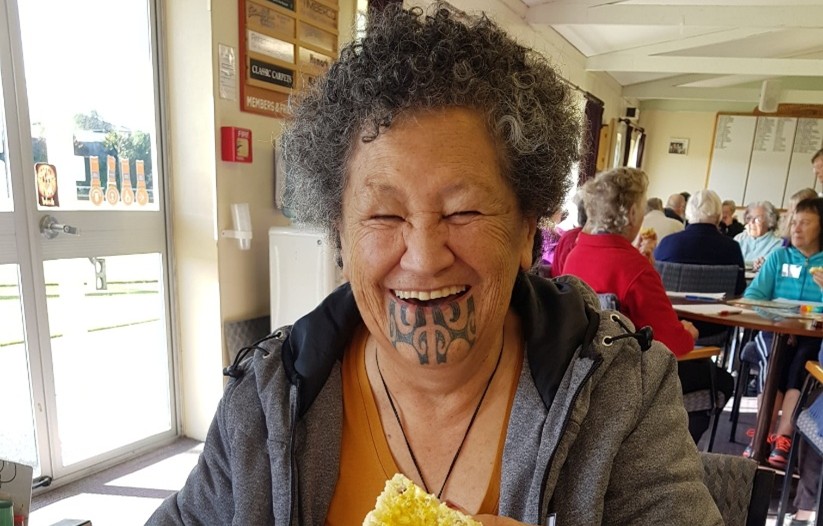
Caption above: A client supported by Alzheimers Taranaki is on the cover of the latest joint services delivery mode