

Better environments, better lives: Dementia Design Aotearoa expands
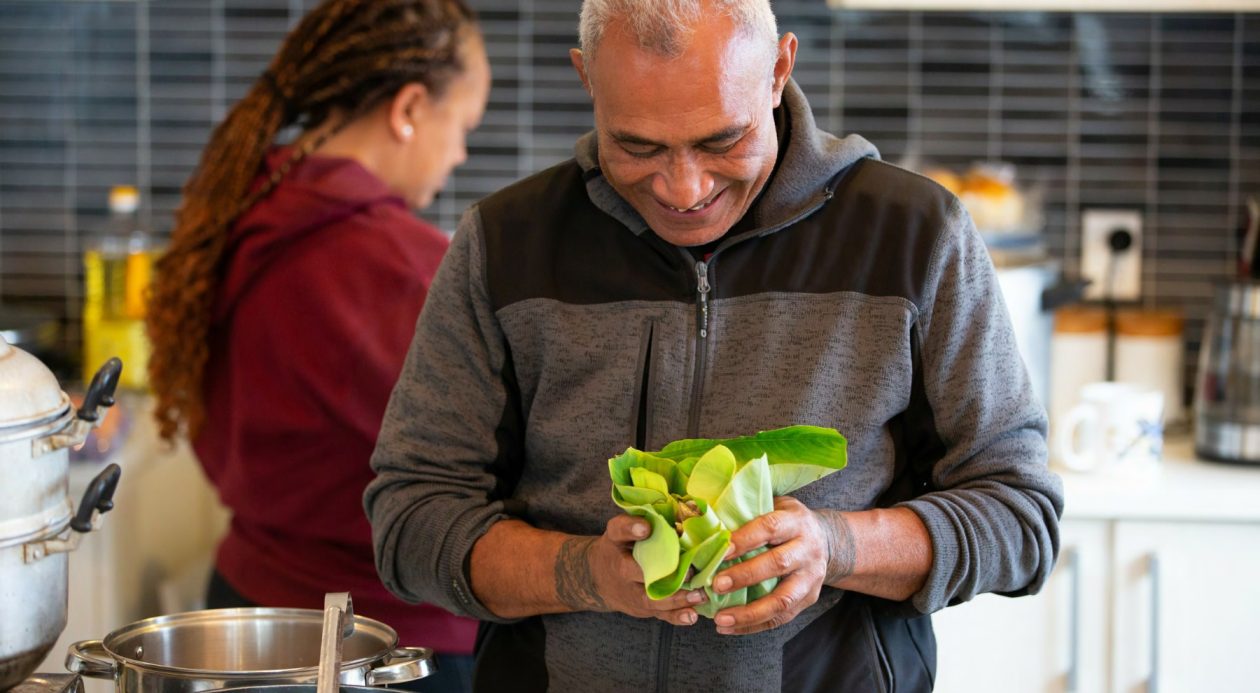
Good dementia design does not always require a new building or major renovation.
Small, practical changes can significantly improve everyday life for people living with dementia mate wareware and those who support them.
Alzheimers New Zealand, The Village Architect, and the Centre for Co-Created Ageing Research at the University of Auckland have worked together to develop Dementia Design Aotearoa: Spaces and places for people living with dementia.
The partners are pleased to make available resources to support individuals and organisations make informed changes to environments that promote wellbeing, independence, connection and belonging.
Last month, we launched the e-learning programme, which is hosted on the University of Auckland Short Course platform.
This World Alzheimer’s Month, Alzheimers New Zealand is proud to mark the next stage of this important work with Co-Create Age and is releasing the advanced learning pathways.
Alzheimers New Zealand’s Dementia Learning Centre is also launching its new Dementia Design Consultancy Service for Aged Care.
“This project was such an exciting one to work on,” says Caroline Bartle, Director of the Dementia Learning Centre at Alzheimers New Zealand.
“For a long time, dementia design and models of care have run on parallel tracks rather than together, and this body of work brings them one step closer. That is what makes it a mechanism for organisations and individuals alike to make small changes with big outcomes.
“You do not need a capital works programme to improve someone’s day. Clearer cues, better lighting, a calmer room, a door someone can manage on their own: these are the changes that help people stay connected, keep doing what they can, and feel at home.
“It was important that we started with values, and that meant psychological safety alongside physical safety. Design that only addresses the physical keeps people safe without giving them a meaningful life.
“It has been a wonderfully collaborative and rich learning journey. It brought many different ideas and disciplines together, kaupapa Māori values, architecture and design research, dementia practice research, and care teams.
“My thanks go to our colleagues at The Village Architect and the University of Auckland for bringing this work together with us.”
This is the initial launch, and more is still to come.
The material released this month is focused on care settings, and a set of resources for people living with dementia at home sits alongside it.
Details of both, including the foundational and advanced e-learning modules and the pathways for home and for aged residential care, can be found here.
A self-audit tool is also in development, designed to help teams see where their environment is working well and where it is falling short, and to identify the right next step.