e-DiVA provides around the clock support for care partners in Aotearoa New Zealand
The launch of a new website for whānau care partners of people living with dementia mate wareware provides around the clock support for those who may be feeling isolated.
e-DiVA is an online tool which answers commonly asked questions by care partners supported by short videos. It was launched at Alzheimers Gisborne/Tairāwhiti and other community organisations in March.
It has been adapted by a team of researchers from the University of Auckland based on the iSupport for dementia programme, developed by the World Health Organization (WHO).
Alzheimers Gisborne/Tairāwhiti became involved by connecting a small but eager group of care partners with the researchers.
“It was really, really great. And lovely to see the initial discussion come to fruition and to see what it looked like at the end too,” says Manager Tracy Robinson.
More than 20 whānau care partners attended the launch event which was moved from the original venue to accommodate the bigger crowd.
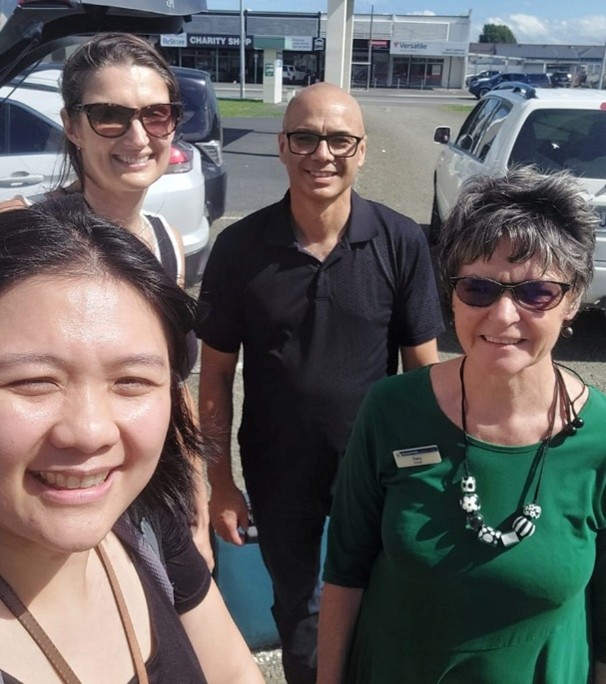
Researcher Dr Tara Sani and the team ran through how to use the website and helped people navigate it on the day.
The roadshow – which includes organisations in Auckland and Christchurch – was an opportunity to soft launch the website face to face.
Tara says their research supported the development of short videos alongside the structured iSupport modules, giving carers different ways to access information depending on what they need at the time.
“The videos are one of the most popular features for the carers because sometimes they just want a short quick solution,” she says. “But many also value the modules because they are organised into topics, so it’s easy to return to something they’ve seen before.”
“Sometimes they’re already very experienced so they already know the solution but hearing that again from the website, they say that ‘it validates me, that what I’ve been doing is right’.
“For new carers, it gives knowledge, but for more experienced carers, it’s also giving reassurance.”
Tracy says it’s a marvellous support mechanism for care partners who may be a bit isolated or unable to get to carer support meetings for one reason or another.
“They’re either up the coast and distance is a problem or they can’t get away from their person with dementia – they need to be there all the time or they themselves aren’t terribly mobile.
“So, this is something that they’ve got access to whenever they need a little bit of advice. It’s affirming and helpful as well. And I imagine if I was a care partner, I would find that really supportive.”
Tracy says many care partners often just need somebody to talk to, so the website can fill some of those gaps.
The Alzheimers Gisborne/Tairawhiti team provides ongoing support to about 225 people living with dementia mate wareware and whānau care partners in their community, including the 25 people who attend the Sherwood Club Day facility.
“Our care partners tell us that they end up feeling very isolated in their own world with their person with dementia because friends stop coming to visit… Friends stop inviting them out for dinner…
“Sometimes other family members don’t understand dementia or refuse to accept that the person has dementia so the family ends up in a bit of disarray, quite a bit of raruraru (trouble) goes on,” says Tracy.
“And so the carer is left with the whole package of guilt, loneliness, misunderstanding, confusion… and the feeling of not a lot of support and understanding a lot of the time.”
Tara says the e-DiVA website has been developed since 2021 as part of a research project funded by the New Zealand Health Research Council, alongside similar adaptations in Australia, Vietnam and Indonesia.
“We realised caring has so many faces, as in like what care looks like for one person might not be the same to another carer,” she says.
“What works for one person may not work for someone else, so the aim is not to give one answer, but to share examples and ideas carers can try.”
“Carers often already know the person they support best, and they may also have their own strategies – we hope this resource helps expand those options – the ideas, the support that are out there that people can use to support them through the caring journey.”
The current version reflects local Kiwi contexts, includes New Zealand-based services and support information, and portrays whānau from a range of cultural backgrounds including Māori.
In the future, the team hopes the resource can be extended further to respond to specific cultural and language needs.
Feedback shows people are interested in sharing this resource with whānau who may live away from the person with dementia mate wareware, particlarly their children who may not grasp the needs of being a care partner.
Alzheimers NZ is a partner for the adaption of the programme for Aotearoa New Zealand.
“Resources that support care partners are invaluable for many who may struggle on the journey, so we’re pleased to support this initiative by the University of Auckland,” says Principal Advisor Services and Standards Lyneta Russell.
Back in Gisborne, Tracy is pleased the website is now available and is looking forward to the potential of more capability in future – including care partners being able to interact with one another directly.
“It’s a great programme, I do really support e-DiVA. It’s very user friendly and everyone said that too.”
Care partners are encouraged to sign-up to e-DiVA from May. Any questions can be sent to isupport@auckland.ac.nz and the researchers will answer them.
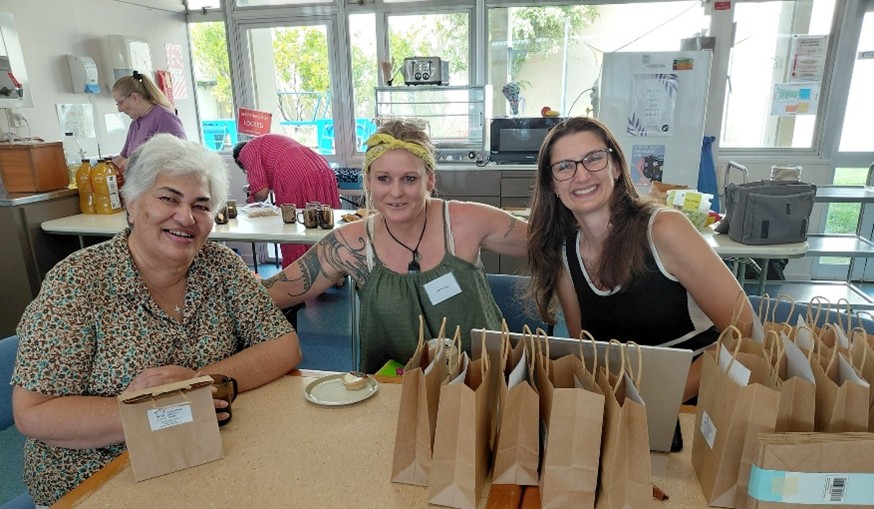
Caption above: Ahi Pere and Lynette Poole were surrounded by support from Dr Susan Yates and other care partners who are accessing the website for support