

Dementia research offers hope, but New Zealand must be ready
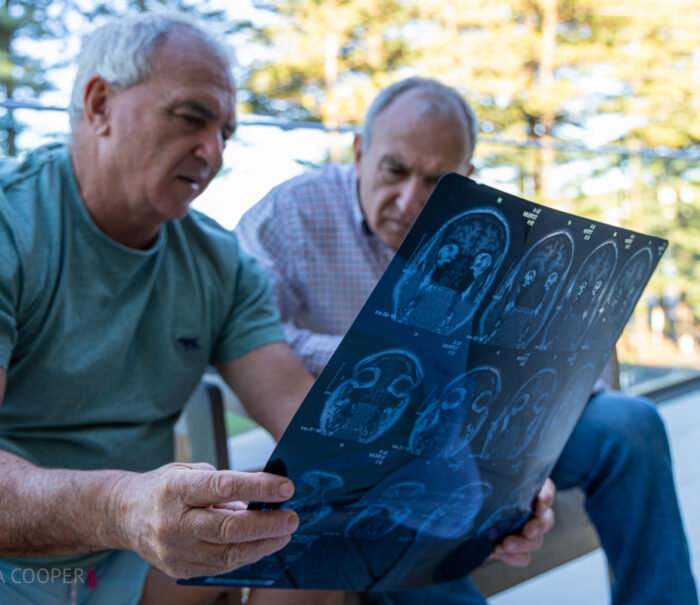
New dementia research could transform thousands of lives, but New Zealand must ensure its health and support systems are ready to turn that promise into reality.
Alzheimers NZ says the World Alzheimer Report 2026: A new era in dementia clinical trials, being released today by Alzheimer’s Disease International, shows the world may be on the cusp of significant advances in the diagnosis and treatment of dementia.
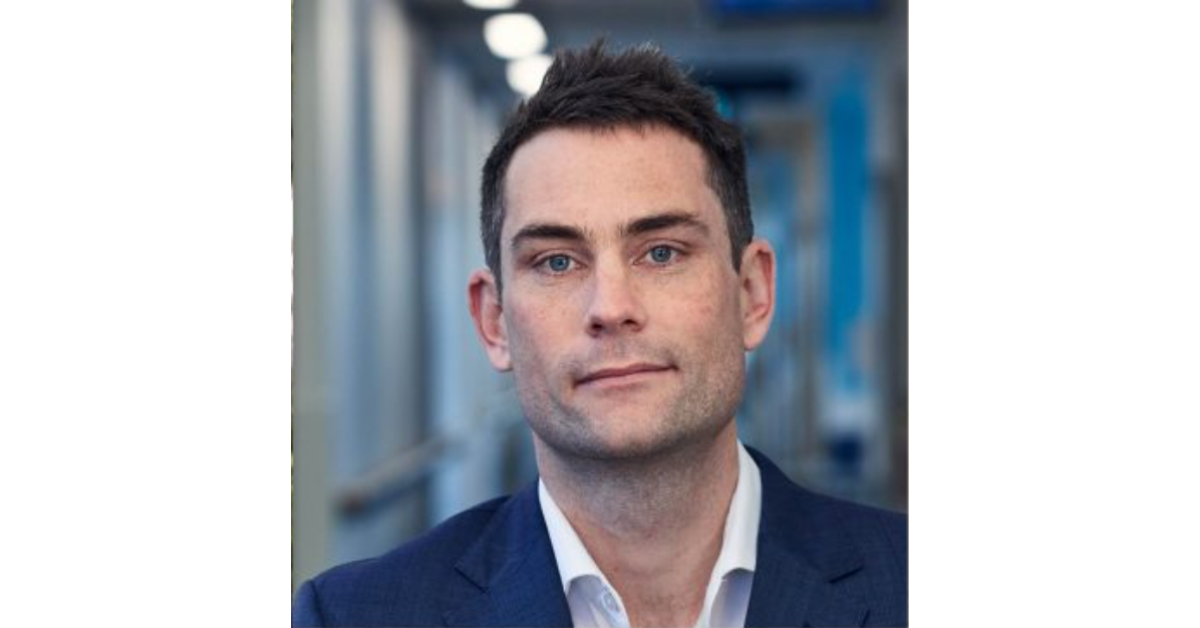
“There is genuine optimism and excitement within the Alzheimers research community,” says Alzheimers NZ spokesperson and neurologist and neuroscientist, Dr Campbell Le Heron (pictured), echoing sentiments expressed in the ADI report that investment in clinical trials is an investment in hope.
“After decades of slow progress, new diagnostic tools, treatments and other interventions have the potential to shift the dial for people living with dementia and their whānau.
“But scientific progress will mean little if our health system is not prepared to make those advances available safely, fairly and as quickly as possible.”
The report says science is advancing quickly, particularly in the USA and European markets.
But it’s also advancing faster than many health systems can respond, New Zealand’s included. The report calls for governments to strengthen national diagnostic capacity, early-detection pathways, research infrastructure and public understanding of clinical trials.
It also recommends making trials more diverse and accessible, involving people living with dementia and care partners in their design, and measuring outcomes that matter in everyday life, such as independence, daily functioning, quality of life and care-partner burden.
Dr Le Heron says these recommendations align strongly with Alzheimers NZ’s advocacy priorities.
“New Zealand needs better pathways to earlier diagnosis, stronger primary care capability and equitable access to emerging diagnostic tools, research opportunities and treatments.
“We cannot allow these advances to become available only to people who live near specialist services or have the knowledge, money and connections needed to access them.
“Māori, Pacific peoples, rural communities and others who already face barriers to diagnosis and support must not be left further behind.”
Alzheimers NZ says advances in diagnosis and treatment must also be matched by properly funded community-based dementia services.
“An earlier diagnosis is useful only if people and their whānau receive the information and practical support they need afterwards.
“Community dementia organisations help people understand their diagnosis, remain independent and connected, and navigate an increasingly complex system. Yet these services remain chronically underfunded.”
Dr Le Heron says the report reinforces the need for the Government to fund and implement the Dementia Mate Wareware Action Plan, and fund community services appropriately.
“The research gives us genuine cause for hope. The challenge now is to build and make available the diagnostic, research, treatments and community-support systems needed to ensure every New Zealander can benefit.”