

A champion who does extra for his mum
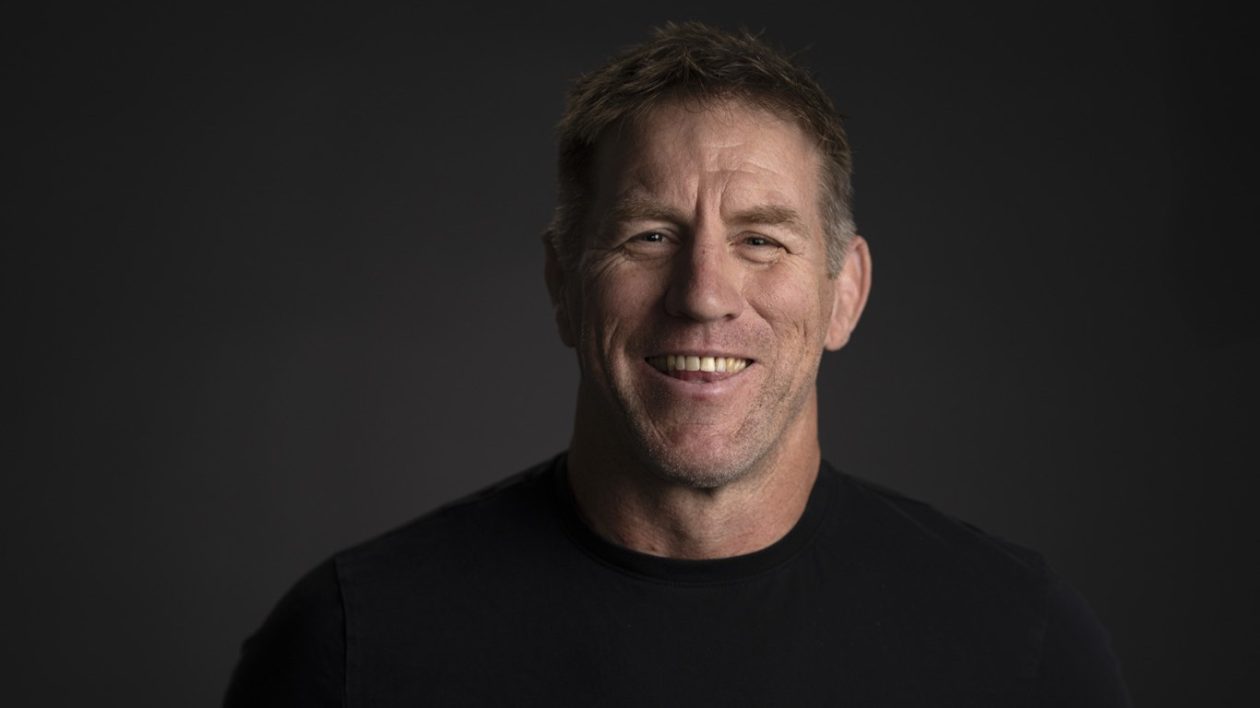
Brad Thorn has spent much of his life in high-pressure environments – winning rugby league grand finals, winning All Blacks test matches, including winning a World Cup, and winning in professional coaching boxes.
But he says nothing prepared him for the emotional roller coaster of supporting his mother, Robin, through her ongoing journey with dementia.
Brad has recently published his autobiography – Champions Do Extra – which is a great read about his career in rugby leagues and rugby and outlines his personal philosophies for living a good life.
Those philosophies were tested when Robin was diagnosed with Alzheimer’s disease in her late 60s – although Brad says the family noticed changes years earlier.
“Looking back, we noticed something slightly different back in 2011,” he says. “Mum was a nurse for 40 years and a very capable woman, but over time we could see things were changing.”
Now 78, Robin has lived with Alzheimer’s for close to 15 years, a long and deeply personal journey for Brad, his brother and Brad’s wife Mary-Anne, who helped care for Robin as her condition progressed.
Brad describes his mother as a “strong farm girl from New Zealand” and “a great Christian woman”, fiercely independent and reluctant at first to seek medical help.
As her memory declined, the family gradually stepped into more caring responsibilities, eventually welcoming Robin into their home.
“My wife has been massive around my mum,” Brad says. “Mum lived with us for about a year and a half. It was tough at times because dementia changes people, and you can become the bad guy in their eyes.”
He says one of the hardest lessons was learning not to take things personally.
“You have to remember they have a disease,” he says. “The disease isn’t who they are.
“I know who my mother is. She’s losing memory, getting frustrated, emotional, but I remember who she really is.”
As Robin’s needs increased, the family made the difficult decision to move her into specialist dementia care in Christchurch, closer to Brad’s brother and wider family. Brad says that transition was incredibly emotional.
“You only have one mother,” he says. “This is our responsibility now – to make sure she feels safe, loved and cared for, just like she cared for us.”
Rather than testing Robin’s fading memory, Brad now focuses on reassurance and connection.
“My chats are more about saying, ‘I love you, Mum.’ I still get to say that to her, and that’s a privilege.”
Brad hopes sharing his family’s experience will help other families feel less alone and encourage greater understanding of dementia.
“There’s a lot of stigma around dementia,” he says. “But people need compassion. Families need compassion too.”