

Care doesn’t end when someone enters residential care
Paul Singh is the husband and support partner of Jacki – who lives with Younger-Onset Dementia – and an independent Younger-Onset Dementia advocate
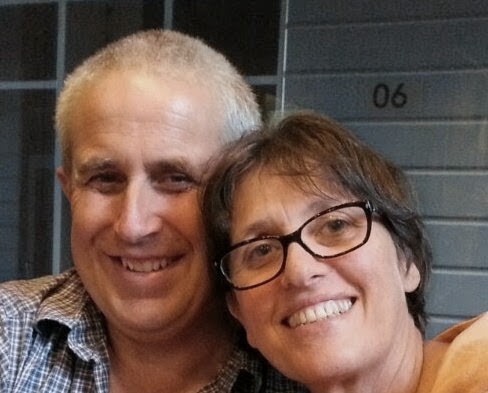
My wife, Jacki, was diagnosed with younger-onset dementia in April 2022, aged 58. By then, her dementia was assessed as severe and she needed full-time residential dementia care. Just two months later, she moved into care.
It was not an easy decision. There can be judgement when someone enters residential care, but I had been Jacki’s sole whānau carer, supporting her 24 hours a day, seven days a week, and I could no longer keep her safe at home. She could become lost in our two-bedroom apartment, could no longer manage many everyday tasks independently, and could not use a phone to call for help if something happened to me. Living with behavioural variant frontotemporal dementia also made communication increasingly difficult.
Residential care was not me giving up caring for Jacki. It changed the form of caring. Others joined me in supporting her and sharing in her care.
Today, trained staff provide much of Jacki’s day-to-day personal and clinical care. I bring something different: our shared history, knowledge of what is usual for her, and the perspective that comes from knowing and loving her over many years. I notice changes, attend appointments and care meetings, ask questions, and advocate when something may need another look.
But much of our time together is not about ‘care’ at all. I am spending time with my wife, as her husband. We giggle, she smiles, we hold hands, kiss and hug. That is normal for us. The surroundings have changed, but our relationship has not.
Jacki wasn’t ‘aged’ when she entered dementia-level aged residential care. Younger-onset dementia can mean needing this level of support decades earlier than people expect. People with younger-onset dementia may have partners and families at a different life stage, different interests, and different expectations of everyday life. For families like ours, finding care that reflects a person’s age and life stage can be difficult, sometimes impossible. We are left having to make compromises.
That matters because residential care is not simply a place where tasks are performed. It is where a person lives. Their identity, relationships, interests and history should continue to matter.
For me, good residential care is not about whānau handing someone over and stepping away. At its best, staff, whānau and support partners bring different knowledge, skills and relationships to supporting the person. Professional care and whānau care are not competing roles; they can complement each other.
Residential care changed how I care for Jacki. It did not change who she is, or who we are to each other.